-
History in 6 words:
Six-Word Story:Doctors, voters, fighters: women claim power. Visual:A photograph of Elizabeth Blackwell or a group of early women physicians, such as at the Woman’s Medical College of Pennsylvania.Source Example: Drexel University, Bulletin of the Woman’s Medical College of Pennsylvania, 1920. Reflection Paragraph (150–200 words):This six-word story captures the dual struggle of early women physicians who…
-
Women in Medicine and the Suffrage Movement: Project Proposal
My project is called Women in Medicine and the Suffrage Movement. I want to create an interactive website that tells the story of early women doctors and how their work connected to the fight for women’s rights. The website will include images, documents, videos, and a timeline to help visitors explore their stories. I hope…
-
Mapping History
-
Telling Time with TimelineJS
-
Copyright Conundrum
Dorothea Lange’s 1936 photograph Migrant Mother is one of the most iconic images of the Great Depression. Taken while Lange was employed by the U.S. Farm Security Administration (FSA), the photograph captures the hardship of migrant farmworkers and quickly became a symbol of national struggle and resilience. Because the image appears everywhere from textbooks to…
-
Remixing History : My Green Book Archive
Creating the Green Book Digital Archive was both a history lesson and a design challenge. I wanted the website to make the story of the Green Book easy to explore while being visually appealing and readable. Every design choice, from layout to colors and fonts, was meant intentional and was done with the purpose to…
-
Digital History in the News
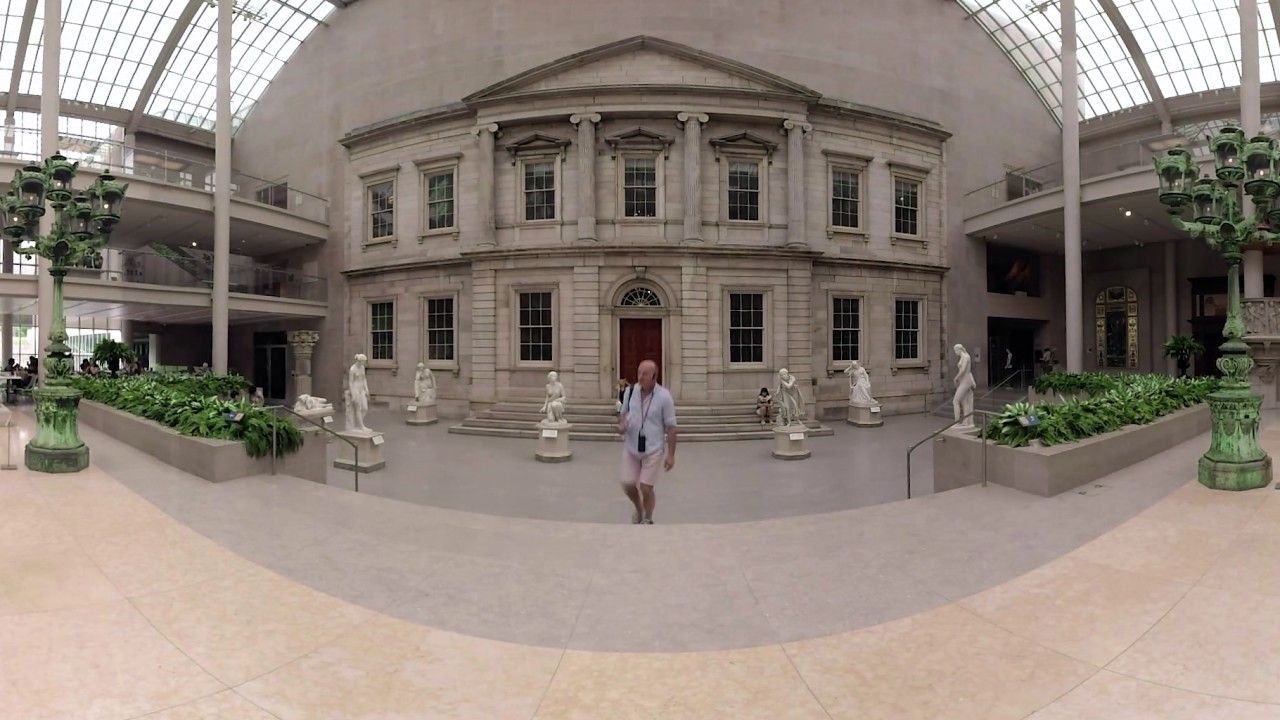
THE FUTURE OF HISTORY: HOW DIGITAL ARCHIVES PROVIDE ANOTHER PATH FOR RESEARCH is an article written by Naif Albishri. The purpose of the article is to increase the awareness of the digital museum exhibits that are making a noticeable impact. The article conveys the idea that for education and teaching purposes digital archiving is very…
-
History in the Wild
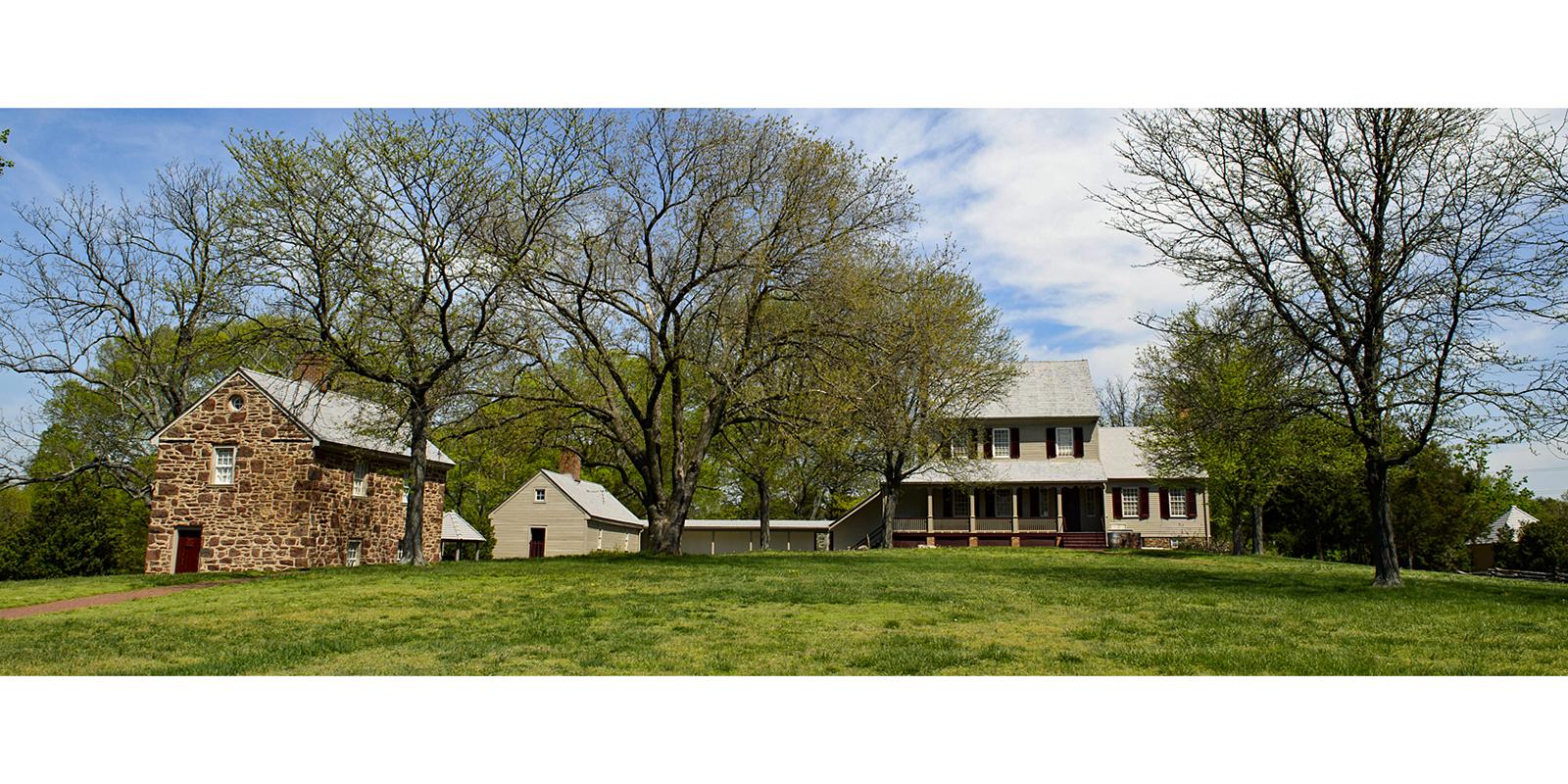
It was originally a plot of land that was cleared out and cultivated by Richard Bland Lee’s slaves. The land was acquired in 1725 and in 1787 after inheriting additional land, the land was named Sully. Sully was originally built as a home for Richard Bland Lee and his wife Elizabeth Collins Lee. Lee notably…